
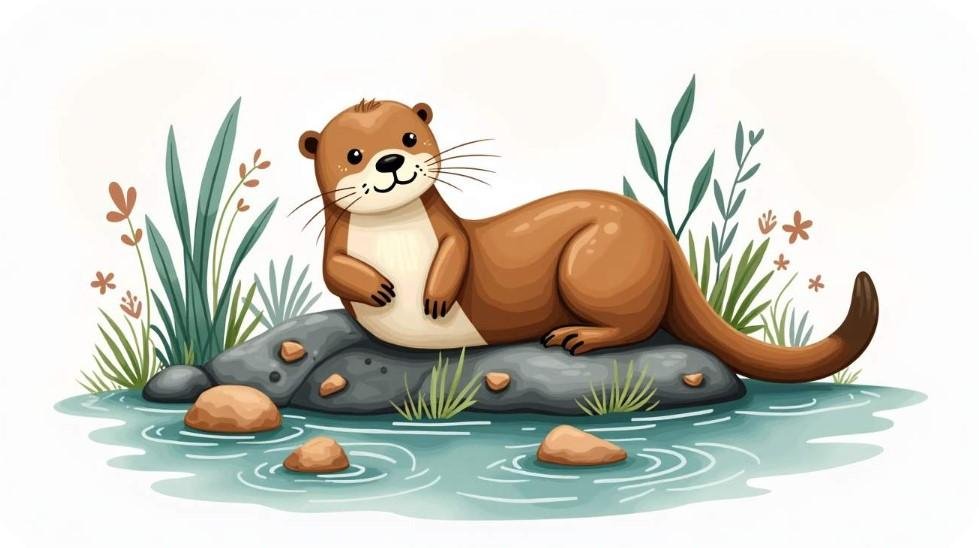
There’s something quietly captivating about a river otter. Playful yet graceful, these creatures glide through water with effortless charm. Capturing that spirit in jewelry isn’t easy, but hand-sculpted pieces inspired by river otters bring a unique blend of nature’s whimsy and artisan craftsmanship into wearable art.
The Allure of River Otters in Jewelry Design
River otters embody a rare combination of agility, curiosity, and warmth. Their sleek bodies and expressive faces make them perfect muses for artists who want to evoke a sense of joy and connection to nature. Unlike generic animal motifs, river otter designs often feel personal and intimate, as if they’re telling a story about the wild places they inhabit. The river otter's playful nature, often seen as they slide down riverbanks or frolic in the water, inspires jewelry designers to capture that essence in their creations. This connection to the natural world is not just aesthetic; it resonates with a growing desire among consumers for sustainable and ethically sourced materials, making otter-themed jewelry not only beautiful but also meaningful.
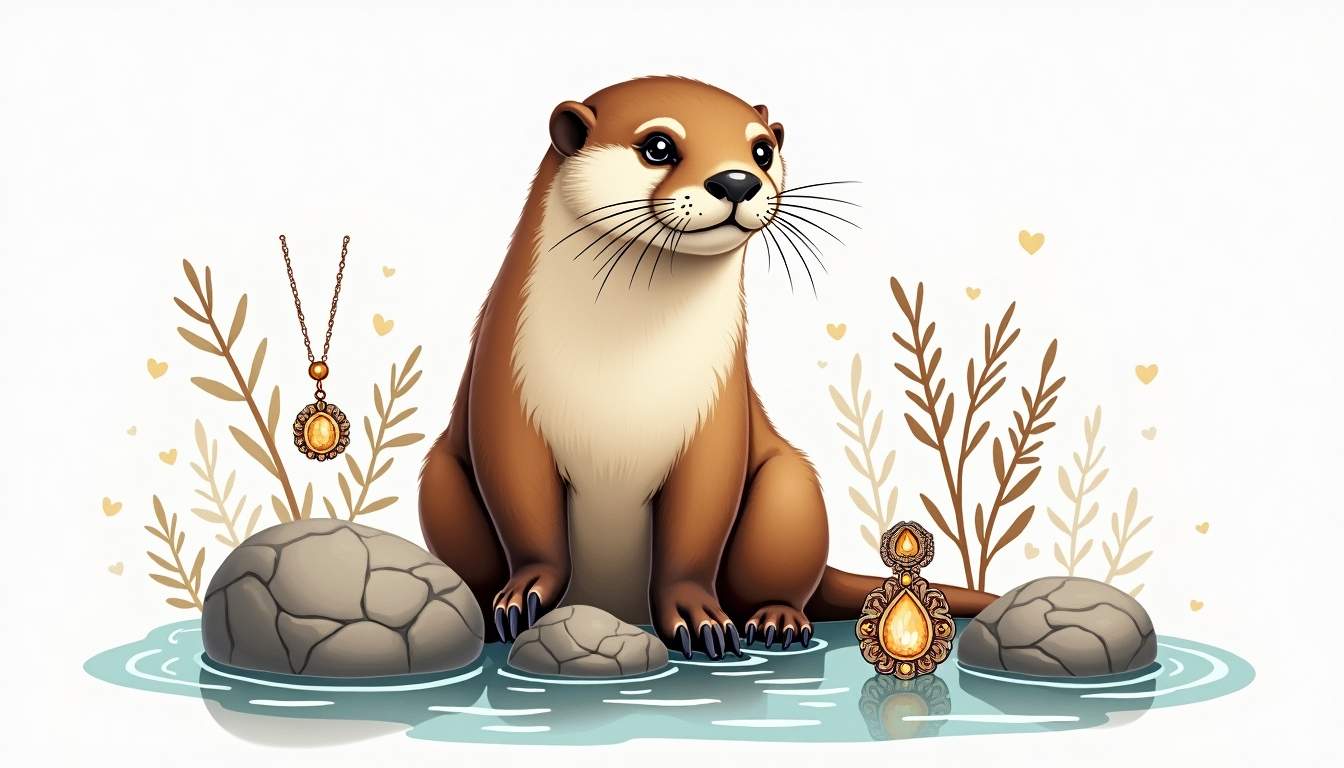
For many, river otters symbolize playfulness and resilience. These traits translate beautifully into jewelry, where every curve and detail is carefully crafted to reflect the otter’s lively spirit. Whether it’s a pendant capturing an otter’s fluid movement or a ring that hints at its mischievous eyes, the pieces invite wearers to carry a little piece of that natural energy with them. Additionally, the incorporation of gemstones that mimic the colors of the river environment—like deep blues and earthy greens—further enhances the connection to the otters' habitat. Each piece serves as a reminder of the delicate ecosystems these creatures inhabit, encouraging a sense of stewardship and appreciation for wildlife conservation. As artisans continue to innovate, the river otter remains a beloved subject, inspiring a range of styles from whimsical to elegant, appealing to diverse tastes and preferences. To explore pieces inspired by this beloved creature, visit here for Camp Hollow’s charming collection.
What Makes Hand-Sculpted Jewelry Special?
Mass-produced jewelry can be beautiful, but it often lacks the soul that hand-sculpted pieces carry. When an artist sculpts a river otter by hand, they’re not just creating a shape—they’re breathing life into metal or clay. Every tiny whisker, every ripple of fur, is the result of hours spent perfecting the form.
Hand-sculpting allows for a level of detail and individuality that machines simply can’t replicate. Each piece becomes one-of-a-kind, with subtle variations that make it truly unique. This personal touch appeals to collectors and nature lovers alike, who appreciate the time and skill invested in every curve and contour.
Moreover, hand-sculpted jewelry often involves a deep understanding of the subject. Artists study river otters’ anatomy, movements, and behaviors to ensure their work captures more than just a likeness—it captures essence. This attention to detail transforms a simple accessory into a miniature sculpture full of life.
In addition to the artistic process, the materials used in hand-sculpted jewelry also contribute to its uniqueness. Many artisans choose to work with ethically sourced metals and sustainable materials, which not only enhances the beauty of the piece but also aligns with eco-conscious values. For instance, using recycled silver or ethically mined gemstones can add a layer of meaning to the jewelry, making it not just a work of art but a statement of environmental responsibility.
Furthermore, the stories behind each piece often resonate deeply with the wearer. An artist may draw inspiration from personal experiences, cultural heritage, or even the natural environment surrounding them. This narrative aspect adds depth to the jewelry, allowing the wearer to connect with the piece on a more emotional level. When someone wears a hand-sculpted otter pendant, they carry with them not just a beautiful object, but a story of creativity, passion, and a love for nature that transcends the ordinary.
Materials and Techniques Behind River Otter Sculptures
Artists working on river otter jewelry use a variety of materials, each bringing its own character to the finished piece. Sterling silver is a popular choice for its durability and ability to hold fine details. Bronze offers a warm, earthy tone that complements the natural theme, while gold adds a touch of luxury and timelessness. Each material not only influences the aesthetic appeal but also affects the weight and wearability of the jewelry, making the choice of metal a crucial aspect of the design process.
Some sculptors start with wax or clay models, meticulously shaping the otter’s form before casting it in metal. This lost-wax casting technique is favored for its precision and ability to reproduce delicate textures, like the soft fur or the smooth contours of the otter’s body. After casting, pieces are hand-polished and sometimes patinated to enhance shadows and highlights. The patination process can involve chemical treatments that create a rich, layered finish, giving each piece a unique character that reflects the artist's vision and the otter's playful spirit.
Enameling and gemstone accents are other techniques used to add color and sparkle. Imagine a tiny sapphire eye or a subtle enamel wash mimicking the sheen of wet fur. These details elevate the jewelry from simple metalwork to a vivid celebration of the river otter’s natural beauty. Additionally, some artists incorporate recycled materials, such as reclaimed metals or ethically sourced gemstones, into their designs, aligning their work with sustainable practices and environmental consciousness. This not only enhances the story behind each piece but also resonates with eco-aware consumers who appreciate artistry that honors nature.
Furthermore, the artistic process often involves extensive research into the behavior and habitat of river otters, allowing artists to capture their essence authentically. Observing these playful creatures in their natural environment can inspire dynamic poses and expressions, making each sculpture not just a representation but a narrative of the otter's life. The interplay of light and shadow, the fluidity of movement, and the intricate details of their fur are all elements that artists strive to convey, bridging the gap between art and nature in a way that captivates the viewer's imagination.
Popular Styles and Designs
Pendants and Charms
Pendants featuring river otters are among the most beloved designs. They often depict the otter in mid-swim or curled up in a playful pose. These pieces work well on delicate chains, making them versatile for everyday wear or special occasions.
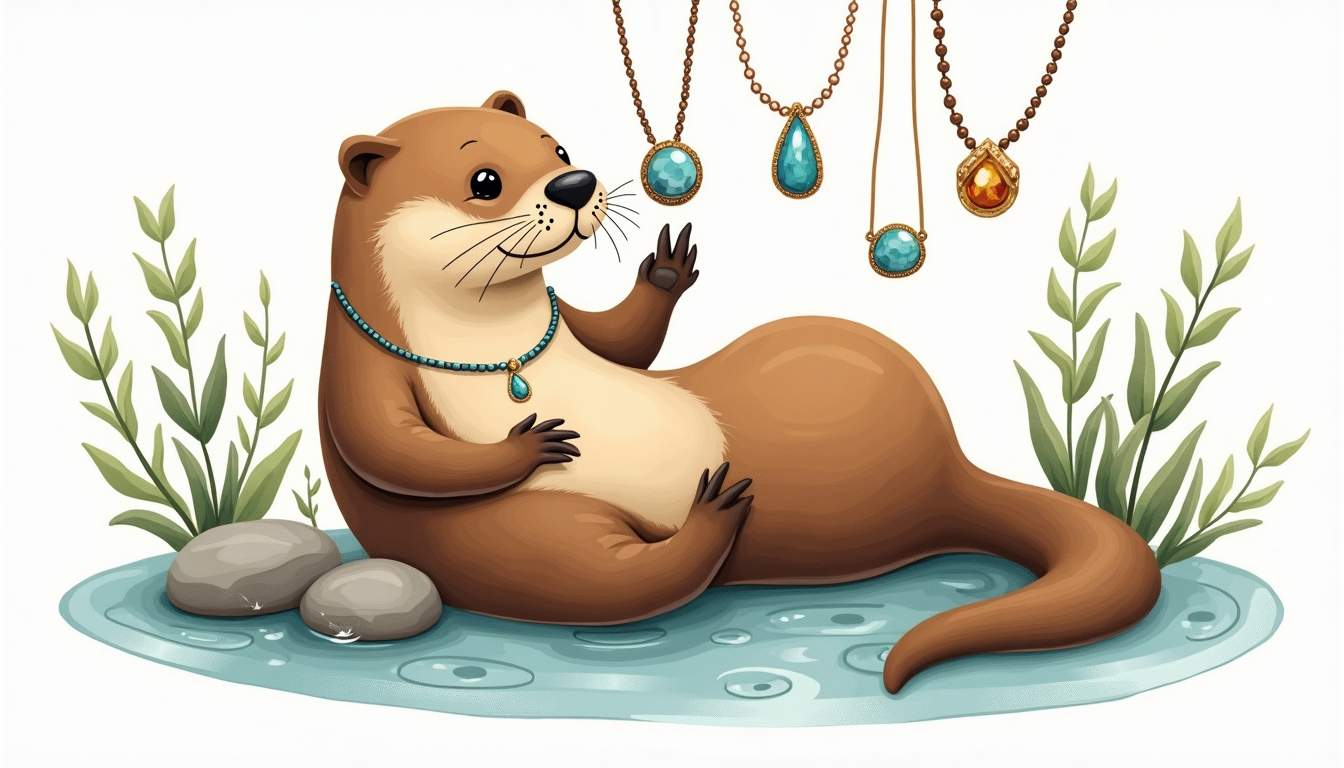
Charms inspired by river otters are another favorite, especially for charm bracelets or necklaces. Their small size and detailed craftsmanship make them perfect for stacking with other nature-themed charms, creating a personalized story worn close to the heart.
Rings and Bracelets
Rings sculpted with river otter motifs often take a more abstract approach, focusing on the fluid lines of the otter’s body wrapping around the finger. This design not only looks elegant but also feels dynamic, as if the otter is in motion.
Bracelets may incorporate multiple otter figures or feature a single sculpted otter as a centerpiece. These designs are eye-catching and often spark conversations, allowing wearers to share their love for wildlife and artisan jewelry.
Earrings and Brooches
For those who prefer smaller accents, earrings shaped like river otters offer a subtle yet charming nod to nature. Studs or small dangles capture the otter’s playful personality without overwhelming the wearer’s look.
Brooches provide a larger canvas for detailed sculpting. They can showcase an otter in a naturalistic scene-perhaps sliding on a riverbank or holding a pebble-making them statement pieces that celebrate craftsmanship and wildlife.
Caring for Hand-Sculpted River Otter Jewelry
Hand-sculpted jewelry deserves special care to preserve its beauty. Because of the intricate details, cleaning should be gentle. A soft cloth and mild soap solution usually suffice, avoiding harsh chemicals that could damage patinas or delicate finishes.
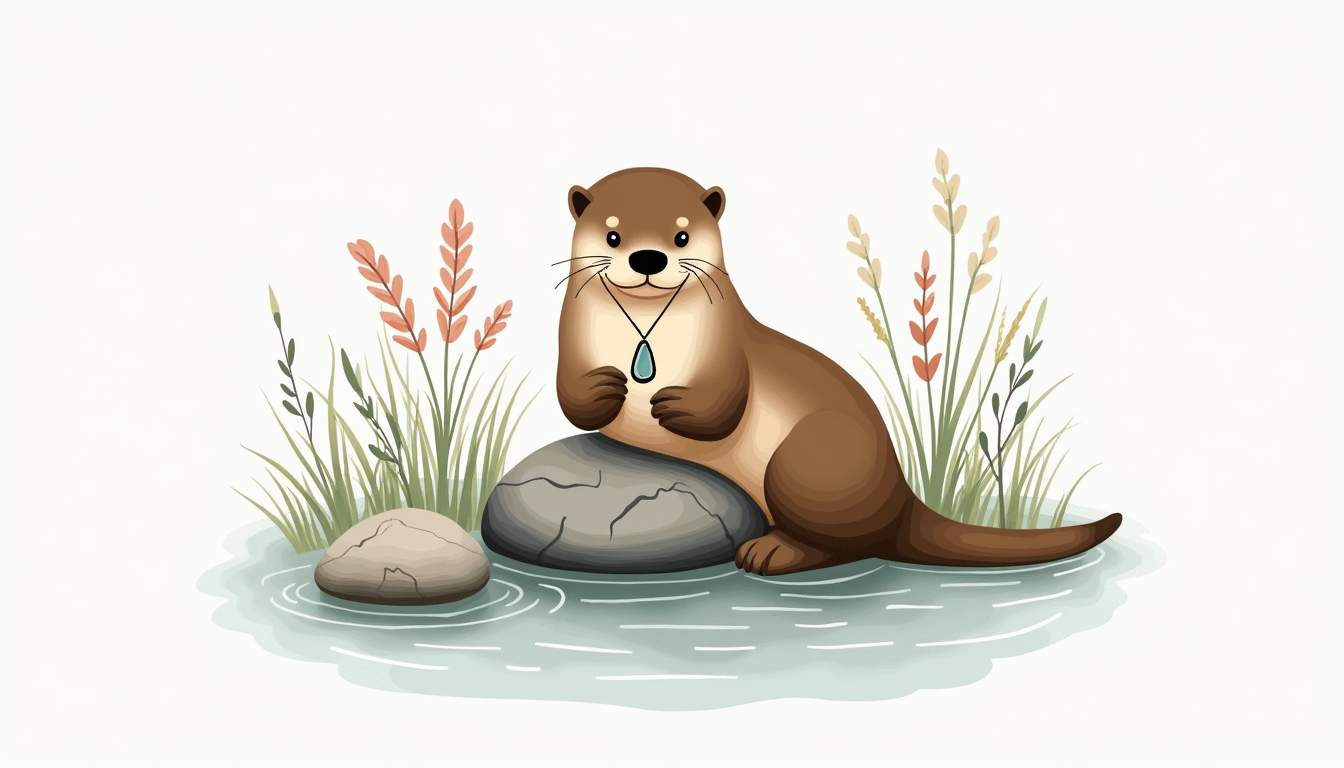
Storage is equally important. Keeping pieces in individual soft pouches or lined boxes prevents scratches and tarnishing. For metals like silver, occasional polishing with a cloth designed for silver can restore shine without harming the sculpture’s fine details.
Wearing these pieces with care-removing them during heavy activity or exposure to water-can extend their life and keep the river otter’s charm intact for years to come.
Finding Authentic Hand-Sculpted River Otter Jewelry
With the growing popularity of nature-inspired jewelry, it’s easy to come across mass-produced river otter designs. To find authentic hand-sculpted pieces, look for artists who share their creative process and inspiration. Many jewelers offer behind-the-scenes glimpses of their work, from initial sketches to final polishing.
Art fairs, galleries, and online artisan marketplaces are excellent places to discover these unique creations. Supporting independent artists not only ensures authenticity but also helps preserve traditional sculpting techniques and encourages wildlife-inspired art.
When shopping, ask about the materials used and the story behind the design. Genuine hand-sculpted jewelry often comes with a certificate of authenticity or a note from the artist, adding to the piece’s sentimental and collectible value.
The Emotional Connection Behind Wearing River Otter Jewelry
More than just an accessory, river otter hand-sculpted jewelry often carries deep meaning for its wearer. It can serve as a reminder of a favorite river trip, a symbol of resilience through challenging times, or simply a celebration of nature’s playful spirit.
Wearing a piece that’s been carefully crafted by hand connects the wearer to both the artist and the natural world. It’s a small but powerful way to keep the wild close, inspiring joy and curiosity every time it’s seen or touched.
For many, these pieces become treasured heirlooms, passed down with stories of the river otter’s charm and the artisan’s skill, bridging generations through art and nature.

 English
 Arabic
 French
 Spanish
 Portuguese
 Deutsch
 Turkish
 Italiano
 Russian
 Romaian
 Portuguese (Brazil)
 Greek
Greek