
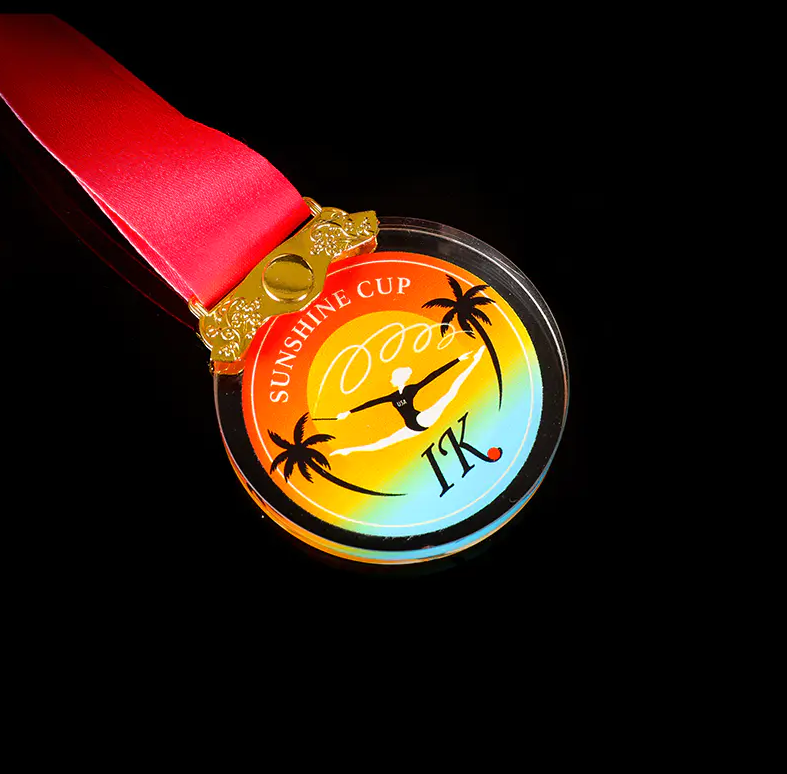
A closer look at Crystal Animal Gifts together with a Crystal Glass Medal often reveals how crystal pieces move beyond simple decoration and become part of personal expression. Many people choose such items for their clarity, structured shapes, and the way they interact with surrounding light. Because both pieces share a similar material foundation, they offer designers a common language for shaping artistic details and functional intentions across different settings.
Workshops that focus on crystal crafting usually bring together skilled carvers, polishing technicians, and designers who experiment with geometric surfaces. The creation process often begins with a raw block of crystal that requires careful shaping before any fine detail can be carved. When producing animal figures, carvers examine how light may travel through the tail, wings, or ears to create subtle internal reflections. A medal requires flatter planes, smoother edges, and thoughtful spacing for engravings, yet the same clarity-driven principles guide both forms.
People who acquire crystal items often appreciate their ability to blend with various interior styles. Whether placed on a desk, shelf, or display cabinet, small animal gifts add a gentle presence without dominating the scene. A medal, on the other hand, may represent recognition or a commemorative event. Some collectors pair both types because they complement each other visually despite serving different symbolic roles.
Designers frequently reinterpret animal forms by adjusting proportions, postures, and surface patterns. A curled cat, a standing deer, or a playful dolphin each conveys different emotions. The crystal medium supports these shifts because it handles curves and angles with equal flexibility. A medal, however, demands precision in circular alignment and surface consistency. Engraved text must remain legible without disrupting the piece’s balance.
Many manufacturers update their designs each season. Creating new editions helps maintain a fresh visual catalog for collectors. Some seasons emphasize minimal lines, allowing the crystal’s natural clarity to drive the design. Other seasons introduce layered textures around the base of an animal figure or on the border of a medal. While these changes may appear subtle, collectors often note how the adjustments alter the overall impression.
The appeal of crystal often lies in its reaction to light. When morning light hits a crystal surface at an angle, a soft glow or internal flare may appear. Certain animal figures take advantage of this effect by incorporating curved surfaces that guide reflections along their bodies. A medal may highlight its edges or engraved areas when light strikes directly. These interactions make crystal pieces appear slightly different throughout the day, adding a quiet sense of movement.
Craftspeople must maintain steady hands when polishing crystal. Fine scratches can interrupt light flow, making surfaces appear cloudy. Achieving a transparent finish requires multiple polishing stages, each using finer materials. Carvers learn to coordinate pressure, speed, and angle to avoid small fractures. Even though tools have evolved over the years, the need for steady craftsmanship remains unchanged.
Gift-giving traditions often include crystal items because their designs adapt well to different life moments. Animal figures become expressive symbols for friendship, celebration, or appreciation. A medal may mark a personal milestone or an event worth remembering. Both objects remain neutral enough to appeal across ages and professions, which makes them suitable for personal exchanges or corporate acknowledgments.
Collectors sometimes reflect on how crystal pieces evolve with time. When placed on shelves for extended periods, dust may soften their appearance. Regular cleaning helps restore clarity. Some owners use microfiber cloths for light maintenance, while deeper cleaning may involve mild solutions that preserve surface quality. Keeping the pieces away from harsh environments helps prevent unwanted surface changes.

 Arabic
 French
 Spanish
 Portuguese
 Deutsch
 Turkish
 Dutch
Dutch
 Italiano
 Russian
 Romaian
 Portuguese (Brazil)
 Greek
Greek