
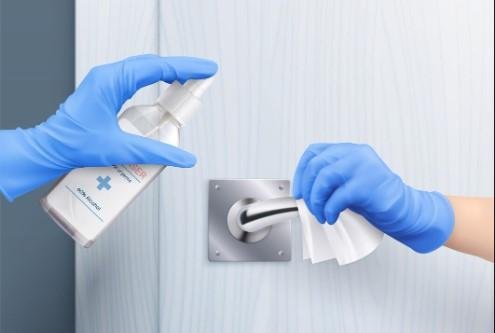
To prepare your Adelaide business for a deep cleaning inspection, focus on a comprehensive, systematic clean that emphasizes high-touch areas, industry-specific requirements like food safety or infection control, and maintaining a safe, clutter-free environment in line with SafeWork SA guidelines. Learn more about our Deep Cleaning Services in Adelaide to keep your office spotless year-round.
Understanding the Importance of a Thorough Pre-Inspection Clean
- Key Benefits
- Safety and Risk Mitigation: Removing dust, debris, and contaminants creates a safer work environment for both the inspectors and personnel operating the equipment. It helps in the early detection of potential hazards like fluid leaks, structural damage, or faulty wiring that might otherwise be obscured.
- Accuracy of Assessment: A clean surface is necessary for accurate inspection results. Dirt and grime can hide defects, cracks, corrosion, or wear and tear, leading to misdiagnosis or overlooked issues. This is particularly critical in fields like construction, manufacturing, and automotive maintenance where precision is paramount.
- Compliance and Regulation Adherence: Many industries have strict regulatory requirements regarding cleanliness before inspection. A thorough clean ensures compliance with these standards, avoiding potential fines, rework, or project delays.
- Efficiency and Time Savings: While it might seem like an extra step, a pre-inspection clean often saves time in the long run. Inspectors can work more quickly and efficiently without having to clean the site themselves. Clear access to all components facilitates a smoother and faster inspection process
- Longevity of Assets: Regular cleaning is a form of proactive maintenance. By keeping equipment and facilities clean, you can identify and address minor issues before they escalate, extending the lifespan of valuable assets and reducing long-term repair costs
- Professionalism and Reputation: A clean and well-maintained atmosphere projects professionalism and competence. It demonstrates a commitment to quality and safety standards, which can enhance your reputation with inspectors, clients, and stakeholders
Create a Cleaning Checklist for Every Area
Daily tasks
- Make beds and tidy rooms.
- Wipe down kitchen counters and the sink.
- Clean the microwave, especially the turntable.
- Empty trash and recycling bins.
- Spot-clean floors if needed.
- Wipe down high-touch surfaces like doorknobs and light switches.
Weekly tasks
- Change bed linens and wash them.
- Vacuum carpets and rugs.
- Sweep and mop hard floors.
- Dust all furniture, shelves, and decor.
- Clean all mirrors and glass surfaces.
- Clean kitchen appliances and sanitize sponges.
- Clean and disinfect toilets and showers/tubs.
- Wipe down kitchen backsplashes.
- Straighten pillows and linens.
Monthly/Deep cleaning tasks
- Dust light fixtures, ceiling fans, and baseboards.
- Clean inside cabinets and appliances.
- Wash windows and blinds.
- Vacuum and clean upholstered furniture, including under cushions.
- Clean inside the refrigerator and pantry.
- Descale coffee makers and other appliances.
- Clean air vents and filters.
- By room:
- Kitchen
- Daily: Wipe counters, sink, and microwave.
- Weekly: Sanitize counters and backsplash, scrub sink, clean appliances, and sweep/mop floor.
- Monthly: Clean inside the fridge, oven, and dishwasher.
- Bathroom
- Daily: Wipe down sink and toilet seat.
- Weekly: Scrub toilet, shower, and tub. Sanitize all high-touch surfaces. Wash towels and bathmats.
- Monthly: Clean the shower curtain/door and grout.
Focus on High-Touch and Hard-to-Reach Surfaces
High-Touch Surfaces
- High-touch surfaces are areas that are frequently touched by multiple people throughout the day, making them hotspots for the accumulation and transmission of germs, bacteria, and viruses.
Examples include:
- Door handles and knobs
- Light switches
- Countertops and tabletops
- Faucets and toilet handles
- Shared equipment like keyboards, computer mice, phones, printers, and remote controls
- Appliance handles and control panels
- Handrails on stairs or in elevators
- Elevator and control buttons
- Shared tools or items in communal areas
Cleaning Strategy:
- High-touch surfaces require frequent and thorough cleaning, ideally multiple times a day in commercial settings or high-traffic homes. A two-step process is recommended:
- Clean the surface first with soap and water or a general cleaner to remove visible dirt and grime.
- Disinfect the surface using an appropriate disinfectant, ensuring it remains wet for the manufacturer's recommended "dwell time" to effectively kill pathogens.
Hard-to-Reach Surfaces
- Hard-to-reach areas are those that are physically difficult to access during routine cleaning and are often overlooked. While not always high-touch, they can accumulate significant amounts of dust, dirt, and allergens, which can impact air quality and provide undisturbed environments for pests if neglected.
Examples include:
- High corners of ceilings (cobwebs)
- Tops of cabinets and refrigerators
- Behind and underneath heavy furniture or appliances
- Inside air vents and ducts
- Window tracks and sills
- Baseboards and the tops of door frames
- Tight crevices in upholstery or around fixtures
Cleaning Strategy:
- Cleaning hard-to-reach areas requires specific tools and techniques to access them safely and effectively.
- Use specialized tools: Extendable dusters, flexible cleaning wands, and vacuum attachments (crevice tools, brush attachments) are essential for reaching these spots.
- Move items where possible: Periodically moving furniture and appliances allows for thorough cleaning of hidden areas.
- Prioritize safety: Use sturdy step ladders or extension poles to reach high spots safely, avoiding the risk of falls.
- Plan ahead: Incorporate these areas into a regular, though less frequent (e.g., weekly or monthly), deep cleaning schedule to prevent significant buildup.
Schedule a Deep Clean Before the Inspection Date
- High-Touch Surfaces
- High-touch surfaces are areas or objects that are frequently handled by multiple people throughout the day, making them hotspots for germs, bacteria, and viruses.
- Examples:
- Common Areas: Doorknobs, light switches, stair rails, elevator buttons, shared equipment, and touch screens.
- Kitchen/Break Rooms: Countertops, appliance handles, sink faucets, and coffee machine controls.
- Bathrooms: Faucet handles, toilet flush handles, stall doors, and soap dispensers.
- Electronics: Mobile phones, tablets, remote controls, and computer mice.
- Furniture: Table surfaces and chair armrests.
- Cleaning Protocol: These surfaces should be cleaned and disinfected multiple times a day, especially during peak traffic times or illness outbreaks. The two-step process involves:
- Cleaning: Removing visible dirt and grime with soap and water or a general cleaning solution.
- Disinfecting: Applying an appropriate disinfectant and allowing it to remain wet for the manufacturer's recommended contact time to kill germs effectively.
- Hard-to-Reach Surfaces
- Hard-to-reach surfaces are often out of sight and less accessible, leading to the accumulation of dust, dirt, and allergens over time. They typically do not require the same frequent disinfection as high-touch areas but benefit from regular, systematic deep cleaning.
Examples:
- High Areas: Ceiling fans, light fixtures, tops of cabinets and tall furniture, ceilings, and crown molding.
- Hidden Areas: Behind and underneath large appliances and heavy furniture.
- Tight Spaces: Window and sliding door tracks, air vents and ducts, baseboards, grout between tiles, and behind the toilet.
- Cleaning Protocol: Focus on periodic deep cleaning sessions like monthly or quarterly to address accumulated grime and improve indoor air quality.
- Tools: Use specialized tools such as extendable duster handles, flexible cleaning wands, vacuum attachments and small brushes (like a toothbrush) to access these spots.
- Technique: For high areas, dust first, then wipe with a damp cloth if necessary. For tight spaces, use brushes to loosen dirt and a vacuum to remove debris. Move heavy furniture when possible for thorough cleaning underneath
Use Professional-Grade Cleaning Products and Equipment
Essential equipment
- Microfiber cloths: Ideal for trapping dust and dirt on various surfaces without scratching.
- Vacuums: Use powerful vacuums, including those designed for carpet or hard floors, to ensure a deep clean.
- Mops and squeegees: Opt for commercial-grade mops and squeegees for durable performance and efficiency on floors.
- Scrub brushes and buffers: Use scrub brushes for tough spots and floor buffers for polishing and maintaining a high-gloss finish on various floor types.
- Specialized machines: Employ machines like steam cleaners or carpet deep cleaners for more intensive cleaning tasks.
- Key products
- General-purpose cleaners: Use products specifically designed for the surfaces you are cleaning, such as degreasers for kitchens or multi-surface cleaners for general use.
Specialized cleaners:
- For electronics: Use alcohol-based wipes or anti-static sprays, and always avoid ammonia or bleach.
- For ovens: Utilize specialized oven cleaners designed to be safe and effective for that appliance.
- Sanitizers and disinfectants: Select products that are appropriate for your needs, distinguishing between those that clean and those that kill germs.
Best practices
- Match products to surfaces: Always consider the specific needs of the surface you are cleaning to avoid damage and ensure safety.
- Wear protective gear: Use appropriate personal protective equipment (PPE) such as gloves, and a mask and goggles if there is a risk of splashing.
- Read instructions carefully: Follow the instructions on the product label for dilution and application to ensure safety and effectiveness.
- Ensure ventilation: Make sure the area is well-ventilated when using strong chemicals to avoid inhaling fumes.
Involvement and Train the Staff for Cleaning
- Assess training needs
- Survey employees: Ask staff about their comfort level with different cleaning tasks, products, and procedures to identify specific needs.
- Observe performance: Shadow employees during jobs to evaluate their techniques, notice areas for improvement, and check for safety concerns.
- Develop a structured training program
- Create SOPs and checklists: Develop clear, documented guidelines and task-specific checklists to ensure consistency.
- Establish an employee handbook: Outline company policies, expectations, and procedures in a written handbook.
- Set a formal schedule: Structure the training with a formal schedule, including an onboarding process and hands-on practice sessions.
- Incorporate mentorship: Pair new hires with experienced employees for job shadowing to help them learn quickly and reduce errors.
- Focus on core skills and knowledge
- Basic cleaning techniques: Teach the proper use of cleaning products and equipment for different surfaces to prevent damage and ensure effectiveness.
- Workplace safety: Train staff on all safety standards, best practices, and the proper handling of chemicals to prevent accidents and health hazards.
- Time management: Instruct employees on how to prioritize tasks to work efficiently without compromising quality.
- Develop "soft skills" and professional conduct
- Client communication: Train staff on professionalism and how to communicate effectively with clients.
- Attitude and professionalism: Set expectations for employee behavior, such as being enthusiastic, approachable, and professional, and use do's and don'ts lists to help them acquire these characteristics.
- Implementation of ongoing training and quality control
- Provide continuous education: Offer workshops or access to courses and certifications to help staff with specialized tasks like carpet cleaning or floor care.
- Conduct quality control: Train staff to self-audit their work and provide regular feedback and performance evaluations to identify areas for improvement.
- Encourage feedback: Create opportunities for employees to give feedback during and after training sessions.
- Recognize growth: Show employees that you are invested in their development by highlighting growth and leadership opportunities.
Consider Hiring Professional Cleaning Services in Adelaide
Key consideration before hiring
- Services required: Decide what kind of cleaning you need, whether it's a one-off deep clean, regular house cleaning, or a specific service like end-of-lease cleaning.
- Company reputation: Look up reviews and ask friends or family for recommendations to find a trustworthy service.
- Trustworthiness: Ensure the company has vetted and trained staff to protect your home and family.
- Pricing: Look for a company with transparent pricing, without hidden fees, that fits your budget.
- Specialized equipment: Professional cleaners often have access to specialized equipment and products that can achieve a better and more thorough clean, including in hard-to-reach areas.
- Flexibility: Choose a service that can work around your schedule and won't disrupt your routine.
- Potential services available
- Home cleaning
- Office cleaning
- End-of-lease cleaning
- Carpet cleaning
- Window cleaning
- Pressure cleaning
- Blind cleaning
Maintain Ongoing Cleaning Standards Post-Inspection
Key Strategies for Ongoing Maintenance
- Implement Detailed Standard Operating Procedures (SOPs): Develop clear, step-by-step instructions for every cleaning task in every area. These SOPs should outline:
- What needs to be cleaned and how.
- Which products and equipment to use, including safety precautions and PPE.
- The required cleaning frequency. .
- Quality indicators to check once the task is complete.
- Establish Clear Schedules and Checklists: Create and use detailed daily, weekly, and monthly cleaning schedules and checklists. This ensures that no task is overlooked and helps maintain consistency. Digital checklists can be particularly effective for tracking completion and identifying recurring issues.
- Conduct Regular, Objective Audits: Implement routine internal inspections to verify compliance with the established standards. These quality control checks should be objective, using the same checklists the cleaning team uses.
- Vary the inspection times scheduled and unannounced to get an accurate picture of daily operations.
- Document all findings and use the data to pinpoint trends and areas needing improvement.
- Develop a Corrective Action Process: When an inspection identifies a lapse in standards, have a clear procedure for correction. This includes:
- Promptly addressing the specific issue.
- Designating accountability for the fix.
- Verifying the issue is resolved and performing a root cause analysis to prevent recurrence.
- Provide Continuous Staff Training: Even with the best procedures, a well-trained team is essential.
- Provide comprehensive onboarding and ongoing training on SOPs, correct product usage, and equipment operation.
- Explain the why behind the procedures to foster a culture of hygiene and accountability.
- Ensure Proper Resources: Staff must have access to the correct and sufficient cleaning supplies, tools, and personal protective equipment (PPE) at all times. Outdated or insufficient equipment can hinder efficiency and effectiveness.
- Promote a "Clean as You Go" Culture: Encourage all occupants of the facility not just cleaning staff to maintain general tidiness and clean up after themselves immediately.
- Prioritize High-Touch Areas: Focus special attention on frequently touched surfaces like door handles, light switches, communal equipment, faucets as these are high-risk areas for germ transmission and may require cleaning multiple times daily.
- Review and Adapt Procedures: The cleaning plan is not static. Regularly review procedures to reflect changes in facility use, new regulations, or emerging risks, ensuring a process of continuous improvement.
Conclusion
Maintaining consistent cleanliness through regular maintenance and periodic deep cleans is important for Adelaide businesses to pass inspections and foster a healthy and productive workplace. Key strategies involve establishing detailed cleaning schedules, focusing on high-traffic areas, employing systematic deep cleaning methods, using appropriate products and equipment, documenting cleaning activities, and considering professional services for deep cleaning tasks. A commitment to highly cleaning standards protects a business's brand and investment, ensures regulatory compliance, and provides peace of mind for employees and visitors.
FAQ
- Why is deep cleaning important before a business inspection?
A thorough deep clean ensures your business meets Adelaide’s local health, safety, and hygiene standards. It helps you avoid penalties, maintain your license, and create a professional impression for inspectors and customers alike.
- How far in advance should I start preparing for an inspection?
It’s best to begin preparation at least one to two weeks before the scheduled inspection. This gives you time to address problem areas, organize professional cleaning services if needed, and ensure consistent cleanliness across all spaces.
- What cleaning products and equipment should I use?
Use commercial-grade, eco-friendly cleaning products approved for your industry. For health or food businesses, ensure disinfectants meet Australian Standards (AS/NZS). Microfiber cloths, steam cleaners, and HEPA-filtered vacuums are great for deep cleaning.
- Should I hire a professional cleaning service in Adelaide?
Yes, hiring a local professional cleaning company can save time and guarantee compliance with inspection standards. Professionals know the local regulations, use the right products, and can target often-overlooked areas to help your business pass inspections effortlessly.
- Are there specific Adelaide regulations to consider?
Yes. Businesses in Adelaide must comply with South Australian health, food safety, and workplace hygiene regulations, which may vary depending on your industry. Always check with SA Health or your local council for current inspection standards.

 English
 Arabic
 French
 Spanish
 Portuguese
 Deutsch
 Turkish
 Dutch
Dutch
 Italiano
 Russian
 Romaian
 Portuguese (Brazil)