
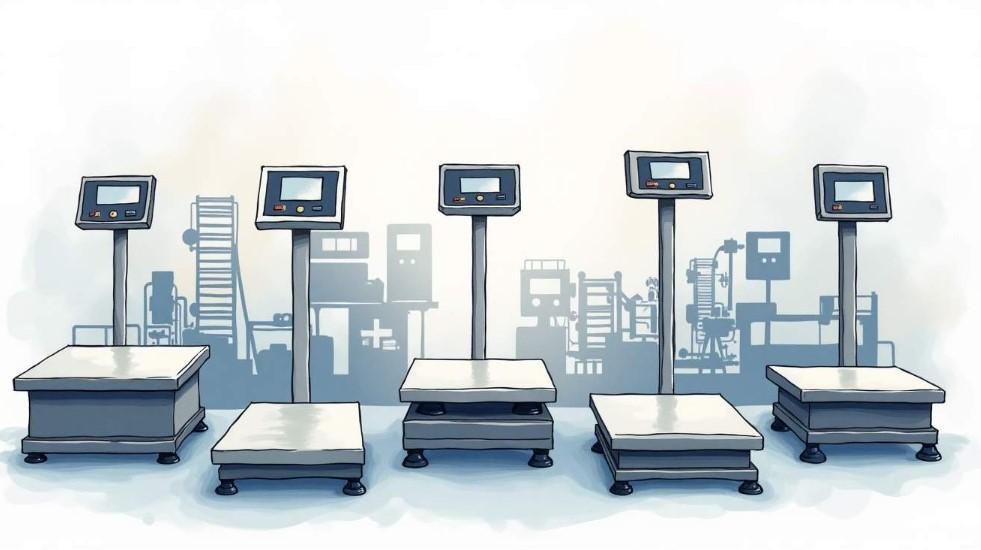
Imagine a busy manufacturing floor where hundreds of components move through various stages of production. Every gram counts, every measurement impacts quality, and every second saved on weighing can boost overall efficiency. Choosing the right scale setup isn’t just about picking a device that tells weight-it’s about integrating precision, durability, and usability into the heartbeat of your operation.
Understanding the Industrial Weighing Environment
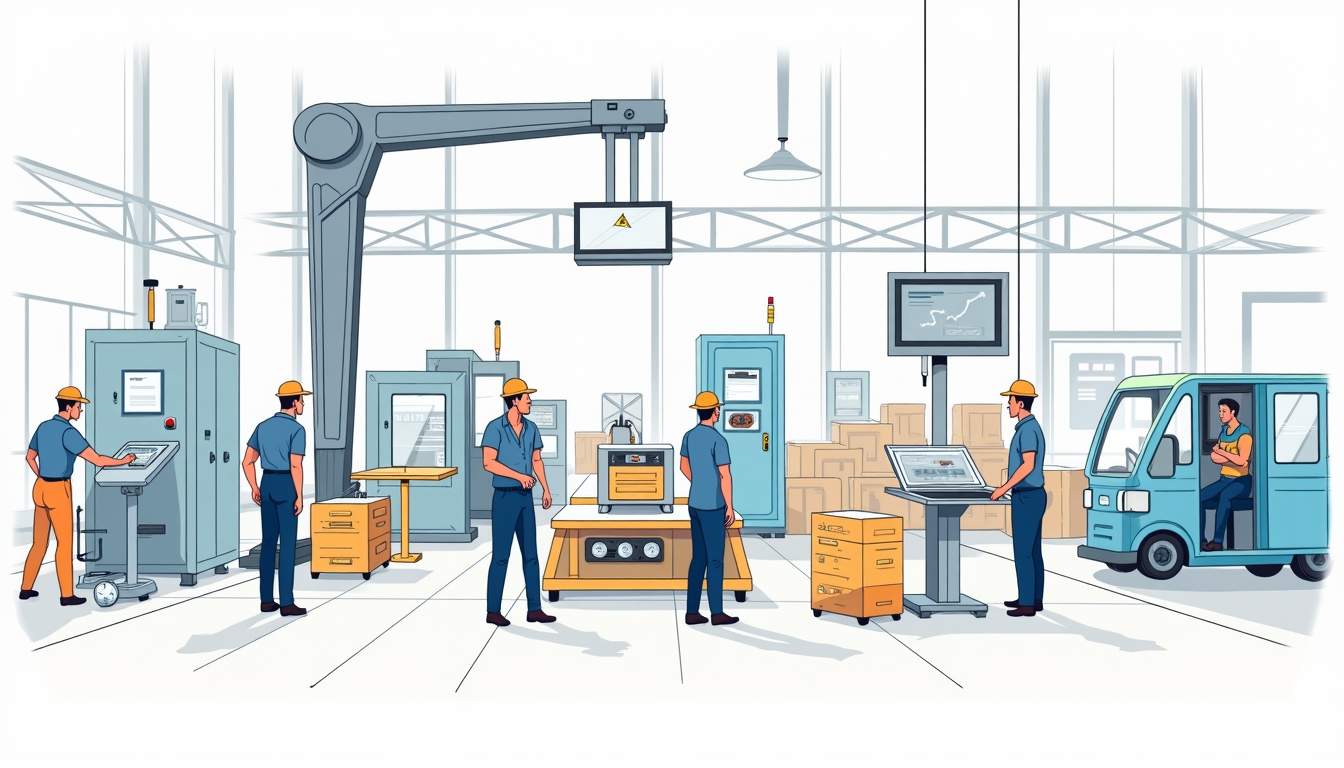
Industrial environments are tough. Dust, moisture, vibrations, temperature swings, and heavy usage all challenge weighing equipment. A scale that works perfectly in a clean lab might fail within weeks on a factory floor. Recognizing the specific conditions your scale will face is the first step in making the right choice.
Environmental Factors That Matter
Is the scale going to be exposed to corrosive chemicals or extreme temperatures? Will it be used outdoors or inside a climate-controlled facility? Dust and dirt can clog mechanical parts or interfere with sensors, while humidity can cause rust or electrical shorts. Scales designed for harsh environments often feature sealed housings, stainless steel construction, or IP-rated enclosures to resist these challenges.
Vibration is another critical consideration. Machinery running nearby can cause constant shaking, which may affect the accuracy of sensitive scales. In such cases, vibration-dampening mounts or specialized load cells that compensate for movement are essential. Additionally, it’s important to consider the layout of your workspace; placing scales on stable, solid surfaces can further mitigate the impact of vibrations. Regular maintenance and calibration are also vital to ensure that your equipment remains accurate and reliable, particularly in environments where conditions can change rapidly. To explore high-quality solutions for all your weighing needs, you can visit Scales4U.
Throughput and Speed Requirements
How fast do you need to weigh items? In high-volume operations, speed can be as important as accuracy. Some scales offer rapid stabilization times and automated tare functions to keep the line moving without sacrificing precision. Others might integrate with conveyor systems or robotic arms to automate the weighing process entirely. The integration of smart technology, such as IoT capabilities, can also enhance throughput by allowing real-time data monitoring and analytics, enabling operators to quickly identify bottlenecks or inefficiencies in the weighing process.
Understanding your production rate helps determine whether a simple bench scale will suffice or if you need a more complex, automated weighing solution. In industries like food processing or pharmaceuticals, where compliance with strict regulations is crucial, investing in advanced weighing systems that provide detailed reporting and traceability can save time and reduce the risk of costly errors. Furthermore, considering future scalability is essential; as production demands increase, having a flexible weighing system that can adapt to higher volumes or different products will ensure long-term efficiency and effectiveness in your operations.
Types of Industrial Scales and Their Applications
Not all scales are created equal. Each type serves a different purpose, and knowing the strengths and limitations of each will help narrow down your options.
Bench Scales
Bench scales are versatile and commonly used for weighing smaller items or batches. They’re compact, easy to use, and often come with digital displays for quick readings. Ideal for quality control or inventory management, bench scales can handle a wide range of weights but usually have lower capacity compared to floor models. Many modern bench scales also feature advanced functionalities such as tare weight adjustment, which allows users to subtract the weight of containers, ensuring accurate net weight measurements. This capability is particularly beneficial in laboratories and food preparation areas where precision is paramount.
Additionally, bench scales can often be equipped with various connectivity options, such as USB or Bluetooth, enabling them to easily interface with computers and inventory management systems. This integration streamlines data collection and enhances operational efficiency, making bench scales an essential tool in many industries.
Floor Scales
For heavier loads, floor scales are the go-to choice. These scales can support pallets, drums, or bulky equipment and are often installed flush with the floor to enable easy loading and unloading. Their robust construction allows them to withstand heavy traffic and harsh conditions. Floor scales are particularly useful in warehouses and distribution centers where high-volume transactions occur, as they can quickly provide accurate weight measurements for large shipments.
Some floor scales come with ramps or rollers to facilitate movement, while others feature wireless connectivity for seamless data transfer. This wireless capability is especially advantageous in environments where mobility is key, allowing operators to move freely without being tethered to the scale. Furthermore, many floor scales are designed with advanced safety features, such as overload protection and non-slip surfaces, ensuring that both the equipment and the operators remain safe during operation.
Crane Scales
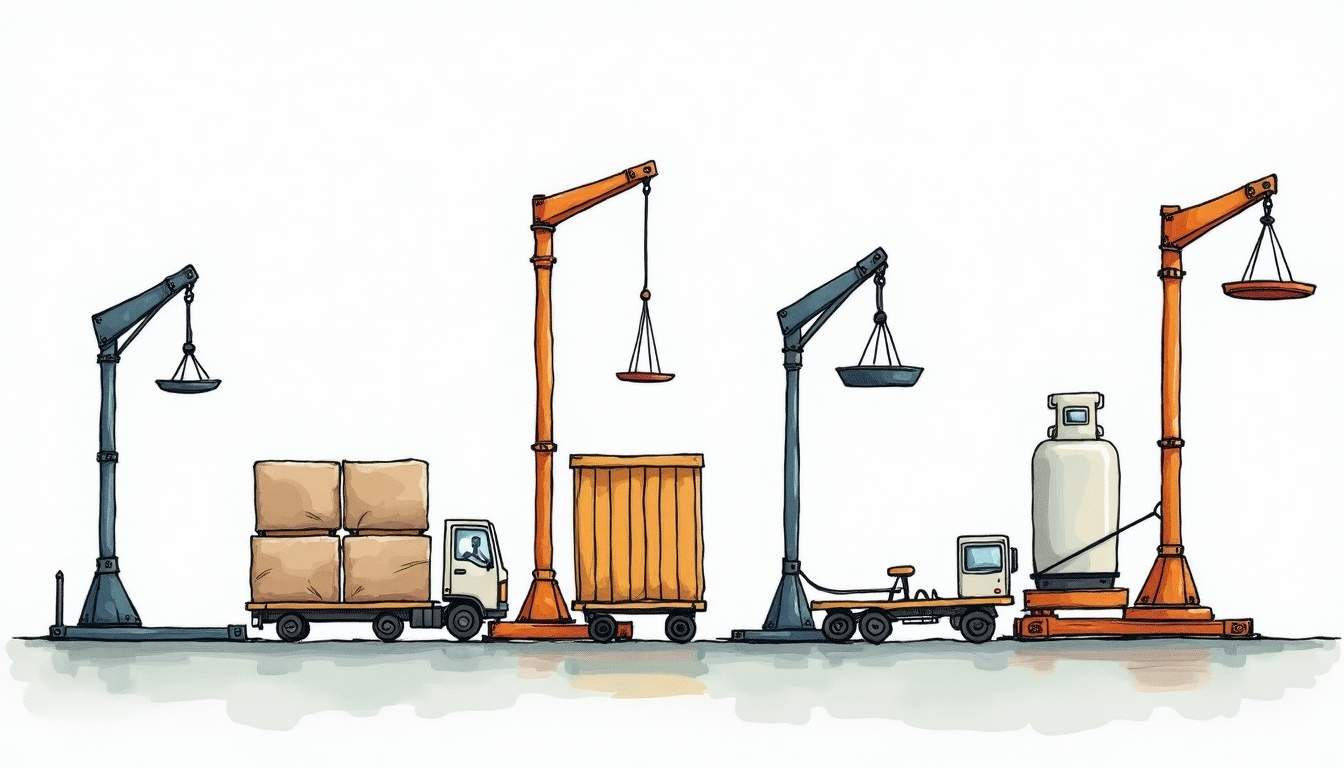
When weighing large or awkward items suspended from a crane, crane scales offer a practical solution. These devices hang from lifting hooks and provide accurate weight measurements without the need to place the load on a platform. They’re widely used in shipping yards, warehouses, and construction sites. Crane scales are designed to be rugged and durable, often featuring weatherproof housings to withstand outdoor conditions, making them ideal for heavy-duty applications.
In addition to their robust design, many crane scales are equipped with advanced features such as remote displays and data logging capabilities. This allows operators to monitor weight readings from a distance, enhancing safety and efficiency during lifting operations. Some models even include programmable alarms that alert users when a load exceeds a predetermined weight limit, further ensuring compliance with safety regulations.
Counting Scales
Counting scales combine weighing with piece counting capabilities. They’re perfect for inventory management where knowing the exact number of small parts is critical. By weighing a sample quantity, the scale calculates the average piece weight and then counts larger batches automatically. This not only saves time but also reduces the potential for human error, which can be significant in manual counting processes.
Moreover, counting scales often come with user-friendly interfaces and programmable settings, allowing operators to easily switch between different units of measurement or customize the scale for specific applications. Some advanced models also feature built-in databases that can store item weights and descriptions, making it easier to manage inventory and track stock levels over time. This functionality is particularly beneficial in manufacturing environments where precise inventory control is essential for maintaining production schedules and minimizing waste.
Key Features to Consider When Choosing a Scale
Beyond the type of scale, several features influence performance and suitability for your specific application.
Accuracy and Resolution
Accuracy is paramount. In some industries, a tiny deviation can lead to costly errors or regulatory issues. Resolution-the smallest increment the scale can detect-also matters. For example, pharmaceutical manufacturing demands scales with extremely high accuracy and fine resolution, while bulk material handling may tolerate coarser measurements.
Check the scale’s specifications carefully and consider calibration options to maintain accuracy over time.
Capacity and Size
The scale must accommodate the maximum weight you expect to measure. Overloading a scale can damage it or produce unreliable results. Conversely, a scale that’s too large may be cumbersome and less sensitive to small weights.
Consider the footprint of the scale and whether it fits into your workspace without obstructing operations.
Connectivity and Integration
Modern industrial scales often come with multiple connectivity options-USB, RS-232, Ethernet, or wireless. This allows integration with inventory systems, quality control software, or production line automation. Real-time data collection can improve traceability and decision-making.
Some scales also support programmable functions, alarms, or batching modes, enhancing their versatility.
Durability and Maintenance
Industrial scales are an investment. Look for models built with high-quality materials like stainless steel or aluminum, which resist corrosion and wear. Sealed load cells and protective coatings extend lifespan.
Ease of maintenance is another factor. Removable parts, accessible calibration points, and clear user manuals reduce downtime and keep the scale functioning optimally.
Installation and Calibration: Getting It Right from the Start
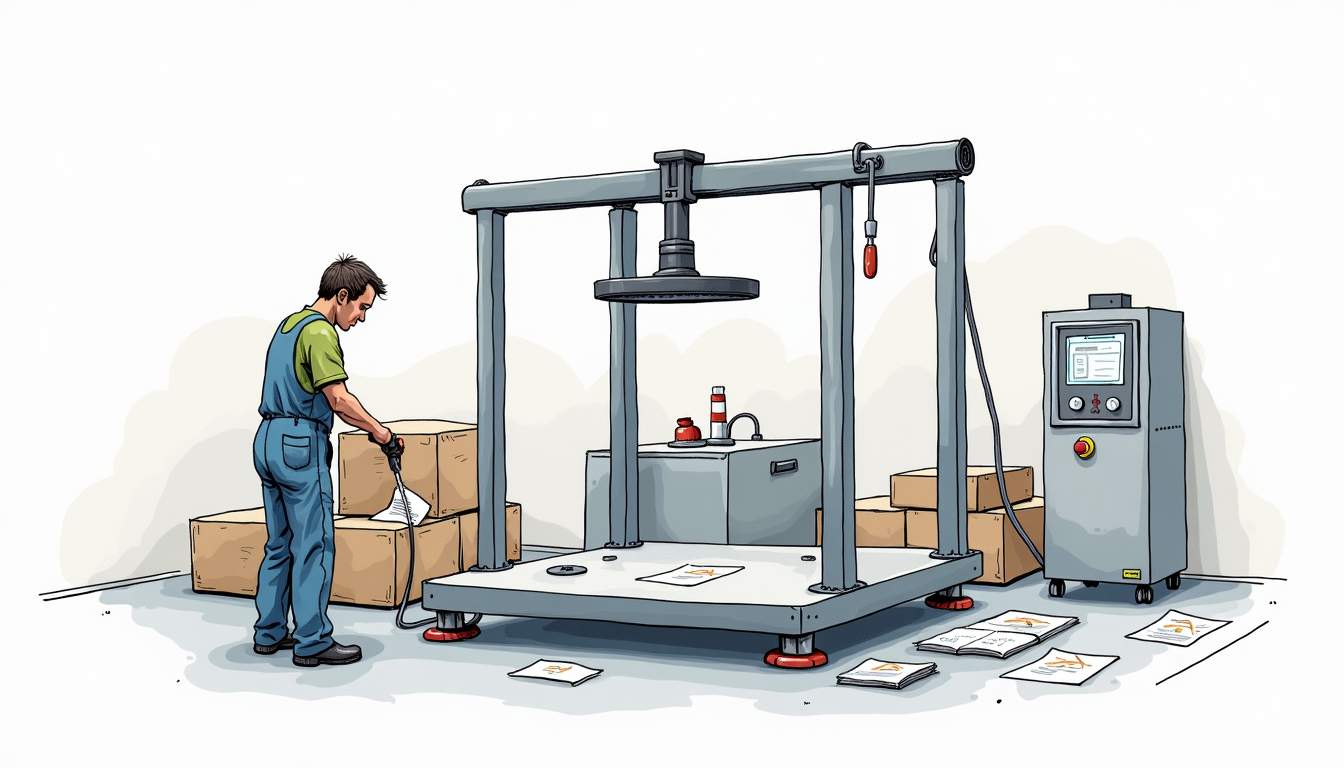
Even the best scale won’t perform well if installed improperly. Placement, leveling, and calibration are crucial steps that affect accuracy and reliability.
Choosing the Right Location
Place the scale on a stable, vibration-free surface away from drafts, direct sunlight, or electromagnetic interference. Environmental factors can skew readings or damage sensitive components.
For floor scales, ensure the foundation is level and strong enough to support the scale and the heaviest loads. Uneven surfaces cause inconsistent measurements.
Calibration and Regular Maintenance
Calibration aligns the scale’s output with known standards. It should be done during installation and regularly thereafter, especially in high-use or critical applications. Many industrial scales come with built-in calibration routines or support external calibration weights.
Regular maintenance includes cleaning, inspecting for damage, and verifying connections. A maintenance schedule helps catch issues early and keeps the scale performing at its best.
Balancing Cost and Performance
Budget constraints are real, but cutting corners on weighing equipment can lead to bigger expenses down the line-think product recalls, regulatory fines, or lost productivity.
Invest in a scale that meets your accuracy and durability needs without overpaying for features you won’t use. Sometimes a mid-range model with solid construction and essential functions offers the best return on investment.
Consider total cost of ownership: initial price, installation, calibration, maintenance, and potential downtime. A well-chosen scale setup pays for itself through improved efficiency and reduced errors.
Case Studies: Real-World Scale Selection
Automotive Parts Manufacturing
A manufacturer producing thousands of small metal components daily needed a solution to ensure each batch met strict weight tolerances. They chose high-precision bench scales with counting capabilities, integrated into their quality control system. This setup reduced inspection time by 30% and minimized defective parts.
Chemical Processing Plant
Handling corrosive materials and powders required floor scales with stainless steel construction and sealed load cells. The scales were installed with vibration-dampening mounts near the mixing stations, ensuring accurate batch weights despite heavy machinery vibrations.
Logistics and Shipping Facility
To speed up pallet weighing, the facility installed wireless floor scales connected to their inventory management system. Forklift operators could weigh loads on the spot, automatically updating shipment records and reducing paperwork errors.
Final Thoughts
Choosing the right scale setup for industrial applications is a strategic decision that impacts quality, efficiency, and safety. It demands a clear understanding of your environment, weighing needs, and operational goals.
Carefully evaluate scale types, features, and installation requirements. Balance cost with performance, and don’t overlook the importance of ongoing calibration and maintenance. With the right scale in place, your industrial process gains a reliable partner in precision and productivity.

 English
 Arabic
 French
 Spanish
 Deutsch
 Turkish
 Dutch
Dutch
 Italiano
 Russian
 Romaian
 Portuguese (Brazil)
 Greek
Greek